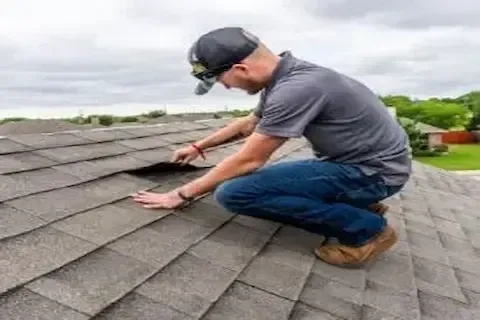
Annual Roof Inspection Schedule for Blaine MN Homes
An annual roof inspection schedule for Blaine MN homes should include one inspection each fall before the first snow load and a second inspection each spring after the freeze-thaw cycle ends. Minnesota winters put significant stress on roofing systems through ice damming, heavy snow accumulation, and repeated temperature swings. Following a consistent two-inspection-per-year schedule helps Blaine homeowners catch damaged shingles, compromised flashing, and failing sealants before small problems become expensive repairs. A licensed roofing contractor familiar with Anoka County weather conditions can complete each inspection in under two hours and provide a written assessment you can use for insurance or warranty documentation.
Step 1: Schedule Your Fall Inspection Before November
Book your fall roof inspection between late September and late October, before freezing temperatures arrive in Blaine. This timing gives contractors full access to your roof surface and gives you enough time to complete any repairs before snow load begins. During the fall inspection, a qualified roofer will check shingle condition and granule loss, inspect all flashing around chimneys, skylights, and vents, evaluate the condition of sealants and caulking, clear debris from valleys and gutters, and look for soft spots that may indicate decking damage beneath the surface. Catching issues in fall means you avoid emergency repair calls during January cold snaps when both scheduling and material costs rise sharply.
Step 2: Complete Your Spring Inspection After Snowmelt
Once snow has cleared and temperatures in Blaine stabilize above freezing consistently, schedule your spring inspection. This typically falls between late March and early May depending on the year. The spring inspection focuses specifically on what winter did to your roof. Inspectors look for lifted or missing shingles caused by ice damming, granule deposits in gutters that indicate accelerated shingle wear, cracked or displaced flashing from freeze-thaw expansion, and any water staining on interior decking visible from the attic. The spring inspection is also the right time to assess whether ice dam damage requires flashing repairs or additional attic insulation work to prevent recurrence next winter.
Step 3: Document Every Inspection With a Written Report
Request a written report from your roofing contractor after each inspection. A proper inspection report includes photographs of problem areas, a condition rating for major components including shingles, flashing, gutters, soffits, and fascia, and a prioritized list of recommended repairs. This documentation serves several practical purposes for Blaine homeowners. Insurance carriers often require proof of regular maintenance when processing storm damage claims. If you sell your home, an inspection history demonstrates responsible ownership. Manufacturers of architectural shingle products, which are common throughout Blaine and the broader Anoka County market, may require documented annual inspections to keep extended warranties valid.
Step 4: Address Repairs Before the Next Seasonal Transition
An inspection is only useful if the findings lead to action. After your fall inspection, complete all identified repairs before December. After your spring inspection, address repairs before summer storm season begins in June and July. Blaine experiences active severe weather from late spring through early fall, with hail events occurring regularly across the northern Minneapolis metro. Roofs with existing vulnerabilities, loose flashing, cracked sealant, or shingles with compromised granule coverage, sustain significantly more damage during hail and wind events than roofs in good condition. Roof Inspection & Assessment services can identify these vulnerabilities before storm season puts them to the test.
Step 5: Add a Visual Self-Check Between Professional Inspections
Between your two professional inspections, do a ground-level visual check of your roof after any significant weather event. You do not need to climb onto the roof. From the ground with binoculars, look for missing shingles, visible dark patches where granules have worn through, debris accumulation in valleys, and gutters pulling away from the fascia. If you notice anything unusual, contact your roofing contractor for a spot inspection rather than waiting for the next scheduled visit. Early-stage problems caught within days of a storm are almost always less expensive to repair than issues discovered weeks later after water infiltration has begun. Blaine's weather patterns, particularly the rapid temperature changes common in spring and fall, can accelerate damage progression quickly once a roof system is compromised.
How Often Should Blaine MN Homeowners Schedule Roof Inspections?
Twice per year is the standard recommendation for homes in Blaine and across Anoka County: once in fall before winter and once in spring after winter. Homes over fifteen years old, homes that experienced recent hail or wind events, and homes with complex rooflines that include multiple valleys, dormers, or low-slope sections may benefit from additional spot inspections. If your roof is approaching the end of its expected lifespan, which is typically twenty to twenty-five years for architectural shingles installed in Minnesota, annual inspections become especially important for planning a replacement before failure occurs. You can also review general guidance on roofing timelines at to better understand what to expect as your roof ages.
