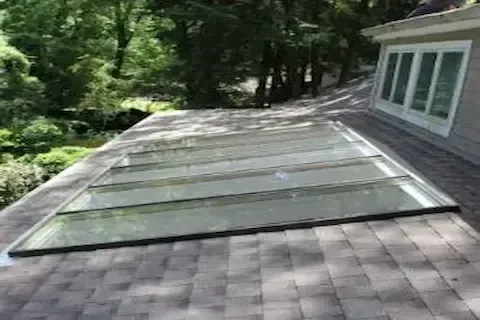
Skylight Leak Repair After Hail in Anoka County MN
Hail storms in Anoka County don't just dent gutters and bruise shingles — they can compromise your skylight in ways that aren't immediately obvious from inside your home. A hairline crack in the glazing, a dented frame, or displaced flashing may not produce a visible drip for days or even weeks after impact. By the time water shows up on your ceiling, the damage has usually already spread behind the curb and into the roof deck below. Understanding how hail interacts with skylight components is the first step toward protecting your home and making a well-informed repair decision.
How Hail Damages Skylights Differently Than Standard Roofing
Standard asphalt shingles absorb hail impact through granule loss and bruising, but skylights face a different kind of stress. The glazing — whether tempered glass, laminated glass, or polycarbonate — takes a direct, concentrated hit. Depending on hail size and velocity, you may see obvious spider-web cracking, or you may see nothing at all while micro-fractures form beneath the surface.
The frame and curb are equally vulnerable. Aluminum or vinyl frames can develop small dents that shift the seal between the frame and the glazing unit. When that seal breaks, water infiltration follows — not immediately, but progressively with each freeze-thaw cycle. In Anoka County, where temperatures swing hard from late fall through early spring, that progression accelerates quickly. A compromised seal in October can become a visible ceiling stain by December.
Flashing is the third component to assess. Most skylight leaks — hail-related or otherwise — trace back to the flashing. Hail impact can lift step flashing, crack caulked seams, or knock loose the counter-flashing that overlaps the curb. If your skylight was installed with a self-flashing system rather than a curb-mounted frame with integrated flashing, it is more susceptible to this type of edge displacement.
Signs of Hail Damage to Watch for After a Storm
After a significant hail event across Anoka County — including cities like Blaine, Coon Rapids, and Andover — take a few minutes to inspect what you can safely observe without getting on the roof. From inside, look for:
- Water stains or streaks on the ceiling around the skylight frame
- Condensation between panes on double-pane units, indicating a broken seal
- Visible chips, cracks, or pitting on the glazing surface
- Paint bubbling or drywall swelling near the curb opening
From outside or through binoculars, check whether the flashing sits flat against the roof surface or shows any lifting, gaps, or buckled edges. Also note whether the frame appears dented or shifted at any corner. Corners are where frame stress concentrates during impact, and a bent corner can create a gap that isn't sealed by the factory gasket.
If you notice any of these signs, avoid the temptation to apply roofing caulk as a temporary fix. Caulk over a damaged flashing joint traps moisture and can accelerate wood rot in the curb framing beneath the skylight — a repair that costs far more than simply addressing the flashing correctly in the first place.
The Repair Process for Hail-Damaged Skylights
Skylight leak repair after hail in Anoka County typically follows a staged process. First, a qualified roofer assesses the glazing, frame, and flashing independently — because each component may require a different repair approach. Glazing damage that doesn't penetrate through the unit may be monitored, but any structural crack or broken seal warrants replacement of the glazing insert or the entire unit depending on age and model availability.
Flashing repairs involve removing any shingles adjacent to the skylight curb, reseating or replacing the step flashing, and reinstalling shingles with appropriate overlap. If the original installation used inadequate flashing — a common finding in older Anoka County homes where skylights were added after original construction — a roofer may recommend upgrading to a full integrated flashing kit designed for your specific skylight brand.
Frame damage that has shifted the seal requires either resealing the glazing unit within the frame or replacing the unit entirely. This depends on whether the frame itself retained its structural geometry or was bent out of square by impact. A frame that is no longer square cannot maintain a reliable seal regardless of how much caulk is applied to the joint.
For Skylight Installation & Repair that addresses both the visible damage and the underlying flashing system, working with a roofer experienced in skylight systems — not just general roofing — makes a measurable difference in how long the repair holds.
Insurance Considerations for Hail Damage in Anoka County
Hail damage to skylights is typically covered under standard homeowners insurance policies as a sudden, accidental loss. If Anoka County experienced a documented hail event — which the National Weather Service records by location and date — your insurer can cross-reference your claim date against storm data. This documentation supports your claim when damage isn't immediately obvious from a visual scan.
Before your adjuster visits, take your own photographs from inside and outside. If the glazing shows pitting consistent with hail impact, photograph it against a clear background. Document any ceiling staining with date-stamped photos. Keep notes on when you first noticed interior symptoms versus the date of the storm, since insurers may ask about the timeline to distinguish hail damage from pre-existing wear.
Some adjusters overlook flashing damage during skylight inspections because they're assessing glazing first. If your roofer identifies flashing problems during their inspection, request that the adjuster include it in the damage scope before any work begins. Supplemental claims after the fact are possible but require additional documentation and can delay your project timeline.
Seasonal Timing and Why Prompt Action Matters in Minnesota
Anoka County's hail season peaks in late spring and summer, which means damage often occurs well before fall rains arrive. That window between a July storm and the first heavy September rain can create a false sense of security — your skylight may not leak until precipitation combines with wind-driven moisture at the angles that expose the flashing gap.
Waiting through the summer is a common pattern in communities like Ham Lake and Ramsey, where homeowners assume that if no leak appeared immediately, no repair is needed. By the time the fall rains confirm the damage, scheduling roofing contractors has become competitive and material lead times have stretched. Getting an inspection done promptly after a hail event — even if you see no immediate leak — is the most cost-effective approach to skylight protection in this climate.
If you want to understand how overall roof condition factors into skylight repair decisions, reviewing can help you evaluate whether a targeted repair or a coordinated approach to both the skylight and surrounding roof sections makes more sense for your home.
